Early years
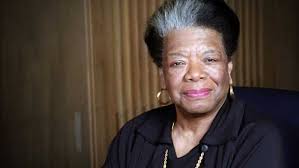
Marguerite Annie Johnson was born in St. Louis, Missouri, on April 4, 1928, the second child of Bailey Johnson, a doorman and navy dietitian, and Vivian (Baxter) Johnson, a nurse and card dealer. Angelou's older brother, Bailey Jr., nicknamed Marguerite "Maya", derived from "My" or "Mya Sister". When Angelou was three and her brother four, their parents' "calamitous marriage ended, and their father sent them to Stamps, Arkansas, alone by train, to live with their paternal grandmother, Annie Henderson. In "an astonishing exception" to the harsh economics of African Americans of the time, Angelou's grandmother prospered financially during the Great Depression and World War II because the general store she owned sold needed basic commodities and because "she made wise and honest investments"
Four years later, the children's father "came to Stamps without warning and returned them to their mother's care in St. Louis. At the age of eight, while living with her mother,
Angelou was sexually abused and raped by her mother's boyfriend, a man named Freeman. She told her brother, who told the rest of their family. Freeman was found guilty but was jailed for only one day. Four days after his release, he was murdered, probably by Angelou's uncles. Angelou became mute for almost five years, believing, as she stated, "I thought, my voice killed him; I killed that man, because I told his name. And then I thought I would never speak again, because my voice would kill anyone . According to Marcia Ann Gillespie and her colleagues, who wrote a biography about Angelou, it was during this period of silence when Angelou developed her extraordinary memory, her love for books and literature, and her ability to listen and observe the world around her.
Shortly after Freeman's murder, Angelou and her brother were sent back to their grandmother. Angelou credits a teacher and friend of her family, Mrs. Bertha Flowers, with helping her speak again. Flowers introduced her to authors such as Charles Dickens, William Shakespeare, Edgar Allan Poe, Douglas Johnson, and James Weldon Johnson, authors who would affect her life and career, as well as black female artists like Frances Harper, Anne Spencer, and Jessie Fauset.
When Angelou was 14, she and her brother moved in with their mother once again, who had since moved to Oakland, California. During World War II, Angelou attended the California Labor School. Before graduating, she worked as the first black female streetcarconductor in San Francisco. Three weeks after completing school, at the age of 17, she gave birth to her son, Clyde (who later changed his name to Guy Johnson).
Angelou held many jobs, including some in the sex trade industry, working as a prostitute, table dancer, and madame. Although some have tried to erase this from her past, Angelou was public about it. She said, "I wrote about my experiences because I thought too many people tell young folks, 'I never did anything wrong. Who, Moi? – never I. I have no skeletons in my closet. In fact, I have no closet.' They lie like that and then young people find themselves in situations and they think, 'Damn I must be a pretty bad guy. My mom or dad never did anything wrong.' They can’t forgive themselves and go on with their lives. So I wrote the book Gather Together in My Name", about her past as a sex worker.
Adulthood and early career: 1951–61
Angelou's first album, Miss Calypso, produced in 1957, was made possible by the popularity of her nightclub act.
In 1951, Angelou married Greek electrician, former sailor, and aspiring musician Tosh Angelos, despite the condemnation of interracial relationships at the time and the disapproval of her mother. She took modern dance classes during this time, and met dancers and choreographers Alvin Ailey and Ruth Beckford. Angelou and Ailey formed a dance team, calling themselves "Al and Rita", and performed modern dance at fraternal black organizations throughout San Francisco, but never became successful. Angelou, her new husband, and her son moved to New York City so she could study African dance with Trinidadian dancer Pearl Primus, but they returned to San Francisco a year later.
After Angelou's marriage ended in 1954, she danced professionally in clubs around San Francisco, including the nightclub the Purple Onion, where she sang and danced to calypso music. Up to that point she went by the name of "Marguerite Johnson", or "Rita", but at the strong suggestion of her managers and supporters at the Purple Onion she changed her professional name to "Maya Angelou", a "distinctive name that set her apart and captured the feel of her calypso dance performances. During 1954 and 1955, Angelou toured Europe with a production of the opera Porgy and Bess. She began her practice of learning the language of every country she visited, and in a few years she gained proficiency in several languages.In 1957, riding on the popularity of calypso, Angelou recorded her first album, Miss Calypso, which was reissued as a CD in 1996. She appeared in an off-Broadway review that inspired the 1957 film Calypso Heat Wave, in which Angelou sang and performed her own compositions.
Angelou met novelist John Oliver Killens in 1959 and, at his urging, moved to New York to concentrate on her writing career. She joined the Harlem Writers Guild, where she met several major African-American authors, including John Henrik Clarke, Rosa Guy, Paule Marshall, and Julian Mayfield, and was published for the first time. In 1960, after meeting civil rights leader Martin Luther King Jr. and hearing him speak, she and Killens organized "the legendary"Cabaret for Freedom to benefit the Southern Christian Leadership Conference (SCLC), and she was named SCLC's Northern Coordinator. According to scholar Lyman B. Hagen, her contributions to civil rights as a fundraiser and SCLC organizer were successful and "eminently effective'' Angelou also began her pro-Castro and anti-apartheid activism during this time.
Marguerite Annie Johnson was born in St. Louis, Missouri, on April 4, 1928, the second child of Bailey Johnson, a doorman and navy dietitian, and Vivian (Baxter) Johnson, a nurse and card dealer. Angelou's older brother, Bailey Jr., nicknamed Marguerite "Maya", derived from "My" or "Mya Sister". When Angelou was three and her brother four, their parents' "calamitous marriage ended, and their father sent them to Stamps, Arkansas, alone by train, to live with their paternal grandmother, Annie Henderson. In "an astonishing exception" to the harsh economics of African Americans of the time, Angelou's grandmother prospered financially during the Great Depression and World War II because the general store she owned sold needed basic commodities and because "she made wise and honest investments"
Four years later, the children's father "came to Stamps without warning and returned them to their mother's care in St. Louis. At the age of eight, while living with her mother,
Angelou was sexually abused and raped by her mother's boyfriend, a man named Freeman. She told her brother, who told the rest of their family. Freeman was found guilty but was jailed for only one day. Four days after his release, he was murdered, probably by Angelou's uncles. Angelou became mute for almost five years, believing, as she stated, "I thought, my voice killed him; I killed that man, because I told his name. And then I thought I would never speak again, because my voice would kill anyone . According to Marcia Ann Gillespie and her colleagues, who wrote a biography about Angelou, it was during this period of silence when Angelou developed her extraordinary memory, her love for books and literature, and her ability to listen and observe the world around her.
Shortly after Freeman's murder, Angelou and her brother were sent back to their grandmother. Angelou credits a teacher and friend of her family, Mrs. Bertha Flowers, with helping her speak again. Flowers introduced her to authors such as Charles Dickens, William Shakespeare, Edgar Allan Poe, Douglas Johnson, and James Weldon Johnson, authors who would affect her life and career, as well as black female artists like Frances Harper, Anne Spencer, and Jessie Fauset.
When Angelou was 14, she and her brother moved in with their mother once again, who had since moved to Oakland, California. During World War II, Angelou attended the California Labor School. Before graduating, she worked as the first black female streetcarconductor in San Francisco. Three weeks after completing school, at the age of 17, she gave birth to her son, Clyde (who later changed his name to Guy Johnson).
Angelou held many jobs, including some in the sex trade industry, working as a prostitute, table dancer, and madame. Although some have tried to erase this from her past, Angelou was public about it. She said, "I wrote about my experiences because I thought too many people tell young folks, 'I never did anything wrong. Who, Moi? – never I. I have no skeletons in my closet. In fact, I have no closet.' They lie like that and then young people find themselves in situations and they think, 'Damn I must be a pretty bad guy. My mom or dad never did anything wrong.' They can’t forgive themselves and go on with their lives. So I wrote the book Gather Together in My Name", about her past as a sex worker.
Adulthood and early career: 1951–61
Angelou's first album, Miss Calypso, produced in 1957, was made possible by the popularity of her nightclub act.
In 1951, Angelou married Greek electrician, former sailor, and aspiring musician Tosh Angelos, despite the condemnation of interracial relationships at the time and the disapproval of her mother. She took modern dance classes during this time, and met dancers and choreographers Alvin Ailey and Ruth Beckford. Angelou and Ailey formed a dance team, calling themselves "Al and Rita", and performed modern dance at fraternal black organizations throughout San Francisco, but never became successful. Angelou, her new husband, and her son moved to New York City so she could study African dance with Trinidadian dancer Pearl Primus, but they returned to San Francisco a year later.
After Angelou's marriage ended in 1954, she danced professionally in clubs around San Francisco, including the nightclub the Purple Onion, where she sang and danced to calypso music. Up to that point she went by the name of "Marguerite Johnson", or "Rita", but at the strong suggestion of her managers and supporters at the Purple Onion she changed her professional name to "Maya Angelou", a "distinctive name that set her apart and captured the feel of her calypso dance performances. During 1954 and 1955, Angelou toured Europe with a production of the opera Porgy and Bess. She began her practice of learning the language of every country she visited, and in a few years she gained proficiency in several languages.In 1957, riding on the popularity of calypso, Angelou recorded her first album, Miss Calypso, which was reissued as a CD in 1996. She appeared in an off-Broadway review that inspired the 1957 film Calypso Heat Wave, in which Angelou sang and performed her own compositions.
Angelou met novelist John Oliver Killens in 1959 and, at his urging, moved to New York to concentrate on her writing career. She joined the Harlem Writers Guild, where she met several major African-American authors, including John Henrik Clarke, Rosa Guy, Paule Marshall, and Julian Mayfield, and was published for the first time. In 1960, after meeting civil rights leader Martin Luther King Jr. and hearing him speak, she and Killens organized "the legendary"Cabaret for Freedom to benefit the Southern Christian Leadership Conference (SCLC), and she was named SCLC's Northern Coordinator. According to scholar Lyman B. Hagen, her contributions to civil rights as a fundraiser and SCLC organizer were successful and "eminently effective'' Angelou also began her pro-Castro and anti-apartheid activism during this time.

No comments:
Post a Comment